Redlining: a Shadow of the Past or the Culprit of the Present
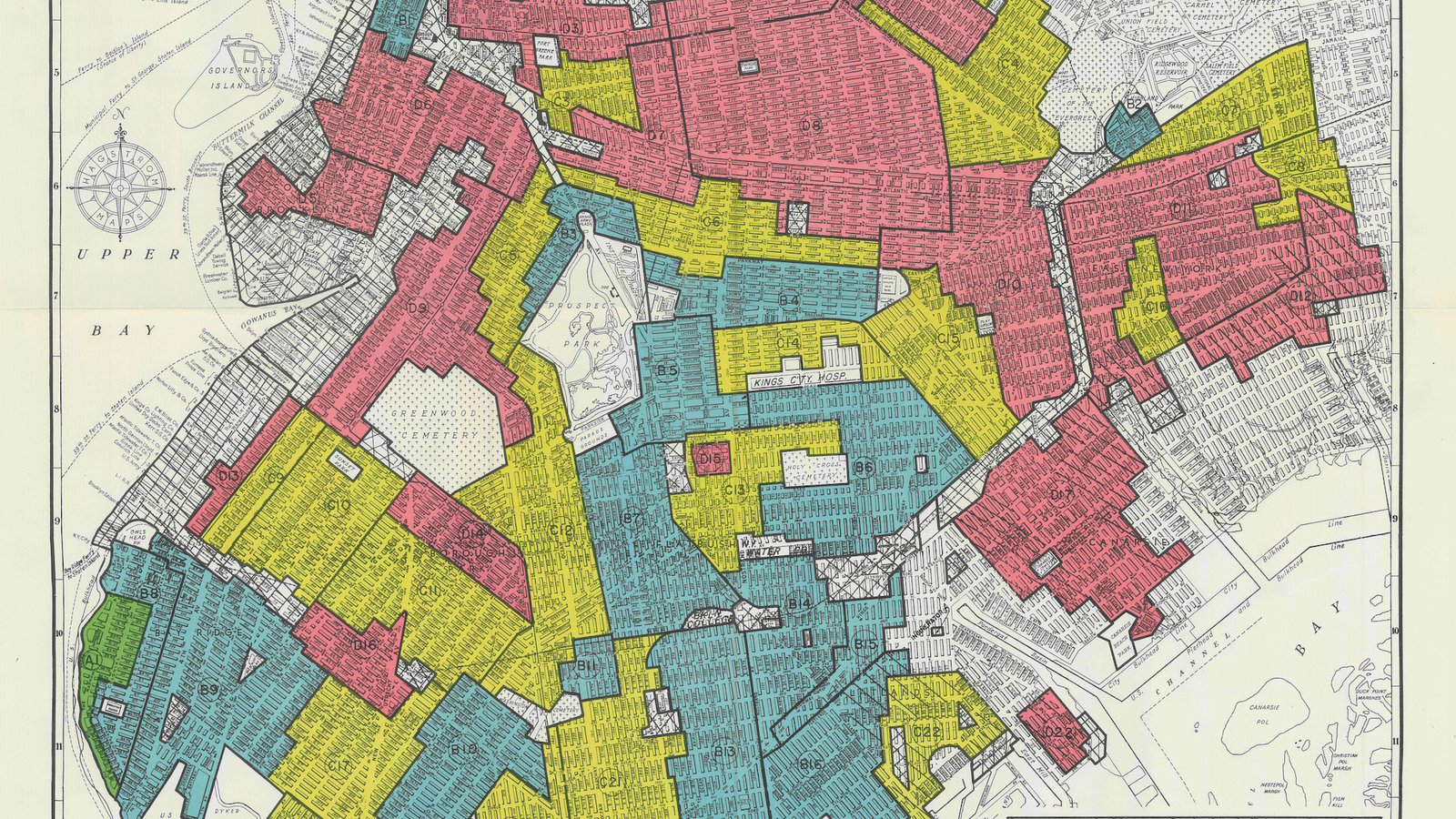
In the 1930s, “redlining” was a term used to describe the systematically racist practice of outlining neighborhoods as hazardous to live in with the color red (“MapMaker: Redlining in the United States”). This disproportionately affected African American neighborhoods, which resulted in white people getting better mortgages while African Americans were denied mortgages, causing a wealth gap. Furthermore, people were less likely to develop redlined neighborhoods, leading to failing infrastructure.
Even though in the Fair Housing Act of 1968, redlining was outlawed, redlining still has lasting effects on poor African American communities who still live in previously-redlined areas.
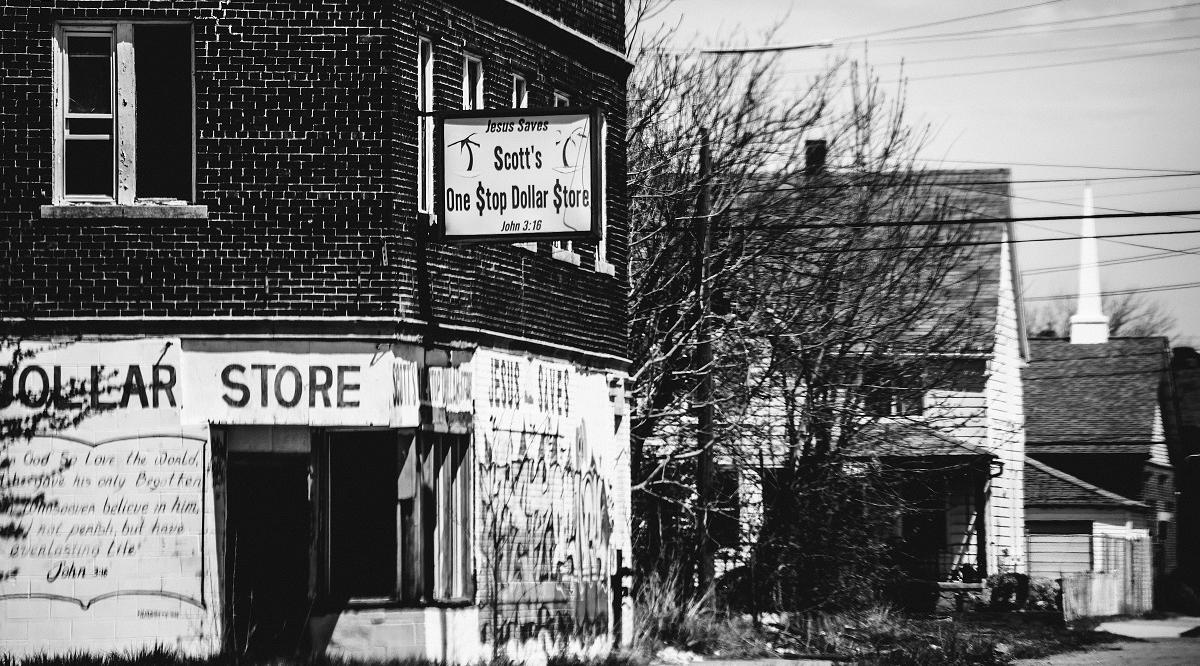
In an experiment done by the Boston Children’s Hospital, researchers in 38 states and over 9000 areas found that 76% neighborhoods that were redlined has a higher rate of non-suicide gun violence compared to green neighborhoods (Boston Children's Hospital). Furthermore, redlined neighborhoods had a non-suicide gun violence rate of 600% of green neighborhoods.
Why is this the case? According to another experiment, scientists use principal component analysis and structural equation modeling to account for the factors that affected redlined neighborhoods and to mathematically find a casual relationship between redlining and the current gun violence (Poulson et al.). Results found that in both red and yellow neighborhoods, the gun violence rates were much higher than the green neighborhoods’ rates. Yellow neighborhoods were classified as “declining neighborhoods” during the era of redlining. Unlike the overwhelming African American population of red neighborhoods, yellow neighborhoods had primarily working class people including whites, immigrants, African Americans, and Jewish Americans. However, because both red and yellow had similar rates, this demonstrates that the environment was the contributor, not the race. Furthermore, the study identifies that the wealth gap that was a result of redlining and the lack of mortgages is an important factor in the gun violence today. In fact, the study found that white Americans in Boston have an average of $250,000 in assets, while African Americans have on average only $8. Based on sociology, those who lack economic resources often turn to alternative ways to get income. Moreover, African Americans continue to live in buildings with poor infrastructure, caught in the cycle of lending money to pay off rent. However, with still discriminatory renting practices, it directly denies any social mobility.
Redlining was a systematic racist way of denying mortgages to African Americans during the 1930s. However, the everlasting effects of redlining still plague America today. Due to the lack of financial assets and the lack of social mobility, it causes an increase in gun violence in redlined neighborhoods.
Works Cited
- Badger, Emily. “How Redlining's Racist Effects Lasted for Decades - The New York Times.” New York Times, 24 Aug. 2017, nytimes.com/2017/08/24/upshot/how-redlinings-racist-effects-lasted-for-decades.html. Accessed 11 July 2026.
- Boston Children's Hospital. “Historically redlined areas see more modern-day gun violence.” Boston Children's Hospital, 22 Apr. 2024, childrenshospital.org/newsroom/media-archive/historically-redlined-areas-see-more-modern-day-gun-violence. Accessed 11 July 2026.
- “MapMaker: Redlining in the United States.” Education | National Geographic Society, 17 Dec. 2024, education.nationalgeographic.org/resource/mapmaker-redlining-united-states/. Accessed 11 July 2026.
- Opara, Ijeoma Nnodim. “The deadly legacy of redlining — and a mission to reverse it.” AAMC, 1 Aug. 2023, aamc.org/news/deadly-legacy-redlining-and-mission-reverse-it. Accessed 11 July 2026.
- Poulson, Michael, et al. “Historic redlining, structural racism, and firearm violence: A structural equation modeling approach.” ScienceDirect, 11 Nov. 2021, sciencedirect.com/science/article/pii/S2667193X21000442. Accessed 11 July 2026.